


From Grasse to San Diego: How Unique Expertise Becomes a Million-Dollar Competitive Advantage
How specialized expertise built million-dollar businesses across generations — from Grasse’s perfume industry to Metarom’s 5,000 flavor formulations in San Diego. What hidden champions teach us about knowledge that cannot be replaced.
Author: Liliya Valihun
Liliya Valihun is a University of Pennsylvania graduate, technology entrepreneur, co-founder of HebronSoft and Hebron IT Academies, and co-founder of the Hebron ecosystem. As Director of Global Programs and AI Localization Strategy, she works at the intersection of AI, manufacturing, engineering, and education, collaborating with manufacturers and industrial innovators worldwide. Through HebronBEE, an AI-powered platform currently in development, she is working to help businesses capture, preserve, and transfer generations of specialized expertise, transforming valuable human knowledge into a lasting competitive advantage.
The Hidden Cost of Losing Generations of Industrial Expertise
By 2033, the US manufacturing sector will need to fill approximately 3.8 million positions. Deloitte and The Manufacturing Institute estimate that 1.9 million of those could go unfilled — not because of a lack of interest, but because experienced engineers and skilled workers are retiring, and what they know isn't written down anywhere.
That gap isn't just a hiring problem. When someone who has spent 40 years mastering a process retires, you can hire a replacement. You can't always replace what they knew.
This is what keeps me up at night when I think about small family manufacturers across the US and Europe. Many are approaching a generational transition with no succession plan. Some produce highly specialized materials that larger manufacturers have relied on for decades — quietly, without anyone paying much attention.
What troubles me most is that we may lose not only businesses, but generations of craftsmanship and practical knowledge that nobody thought to document.
This concern became one of the reasons we started HebronBee — a startup focused on preserving and transferring specialized human expertise.
Through Hebron, I've spent years working with technology, education, and industrial businesses. We've helped young people develop technical skills. And somewhere along the way, I became just as interested in the other end of that journey: what happens when an expert retires and takes decades of irreplaceable knowledge with them?
The more I explore this question, the more I find it everywhere.
Ten Countries, Ten Weeks, One Question
This summer I traveled through ten European countries in ten weeks: Croatia, Poland, Greece, Italy, Ukraine, France, Monaco, Germany, Austria, Montenegro.
I visited beautiful places and ate remarkable food. But I kept looking at things through the eyes of a founder.
Why does a small French town dominate a global luxury industry? How does traditional cheesemaking support an entire regional economy? What allows certain family businesses to remain competitive across generations while others quietly disappear?
My journey began in Grasse, France. I had no idea that a few months later, in San Diego, I would meet someone whose professional story had started in that exact same place.
Grasse: Flowers, Perfume, and €600 Million in Specialized Knowledge
Twenty minutes from Cannes, Grasse is a hilltop town of 50,000 people that has spent centuries building one of the world's most sophisticated perfume industries.
It has an unlikely origin story.
In the 16th century, Grasse was known for leather tanning — a process that smelled exactly as bad as it sounds. Local craftsmen started making scented gloves, and what began as a practical workaround eventually transformed the town into the world's perfume capital.
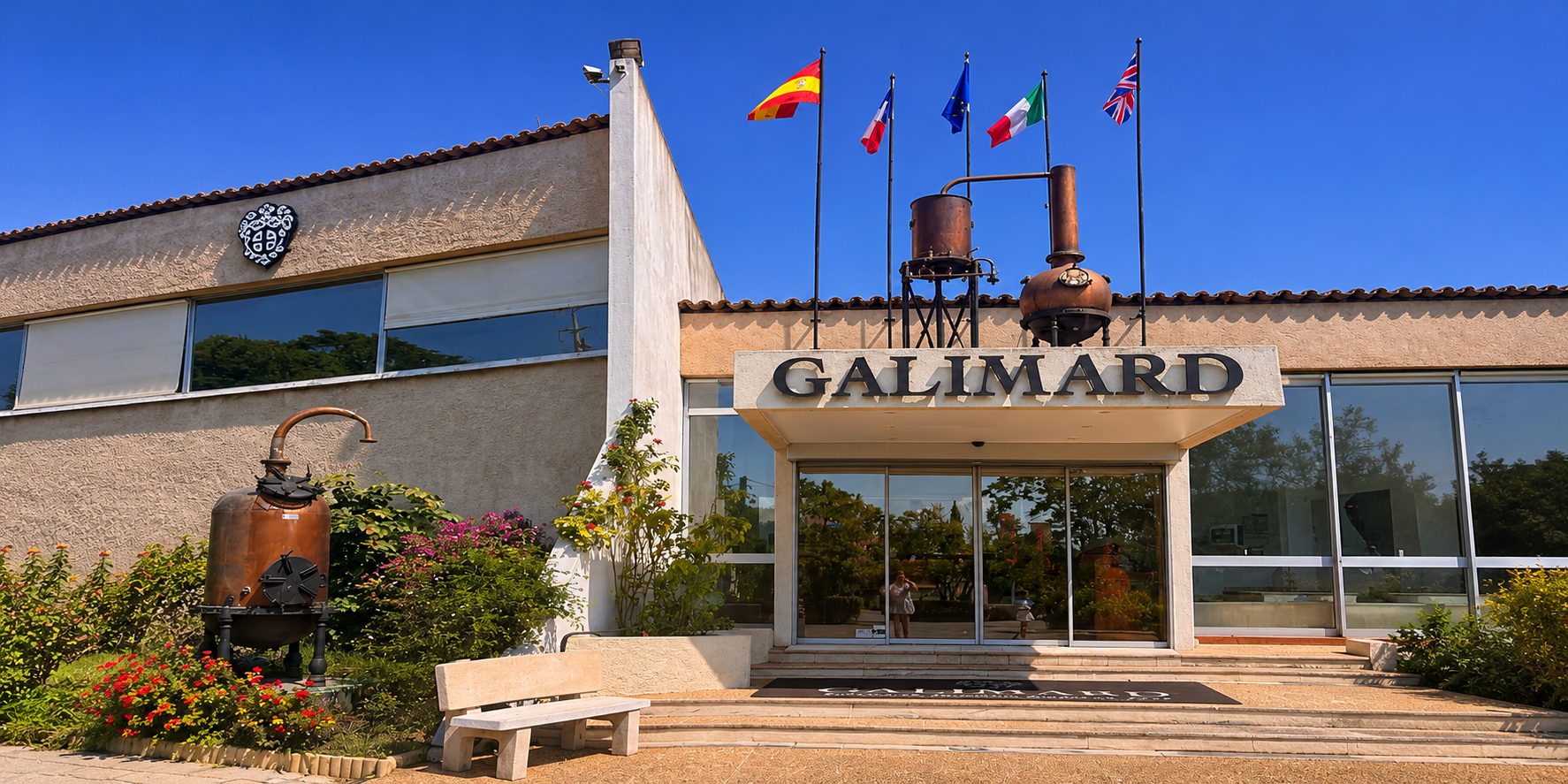
During my visit to Galimard, a perfume house founded in 1747, I began to understand how much knowledge goes into something as seemingly simple as a beautiful fragrance.
Jasmine is harvested early in the morning to preserve its aromatic qualities. A liter of jasmine essence can cost up to €30,000. Chanel has maintained longstanding relationships with local growers who supply jasmine and May roses for Chanel No. 5 - not because they can't find other suppliers, but because those relationships took decades to build.
A skilled perfumer spends years developing an olfactory memory that allows them to distinguish and combine hundreds of ingredients, while understanding how those ingredients change over time. You can buy flowers, equipment, and extraction technology. What you cannot buy is the judgment of someone who has spent 30 years learning what works.
In 2018, UNESCO recognized the perfume-making skills of the Pays de Grasse as intangible cultural heritage. That designation captures something the balance sheet can't: some competitive advantages aren't assets you acquire. They're knowledge you accumulate — slowly, through decades of doing the work.
The Italian Alps: What a Wheel of Cheese Knows About Competitive Advantage
In the Aosta Valley, I found another example — this time in a wheel of cheese.
Fontina has been produced in the Italian Alps for centuries. Its character depends on a specific combination of local cattle breeds, Alpine pastures, traditional production methods, and a maturation process that takes place in natural caves and former military bunkers carved into the rock beneath Mont Blanc.
The Fontina Producers' Consortium, established in 1952, protects the product's identity. Its European Protected Designation of Origin status means authentic Fontina must meet specific geographical and production requirements. No one else can replicate the combination of place, process, and accumulated expertise that defines it.
What I find most interesting about Fontina isn't the cheese itself — it's the business model.
The producers didn't start with a premium branding strategy and then invent a tradition to justify the price point. They spent generations making cheese, improving their methods, and building a reputation. The commercial value grew around that expertise.
Some of the strongest competitive advantages are built not by planning them, but by doing the work exceptionally well for a very long time.
Bavaria: When Piano Strings Become a Billion-Euro Industrial Business
In 1889, Sigmund Scherdel opened a wire drawing mill in Marktredwitz, Bavaria, to make piano strings. Precision work. The kind where a fraction of a millimeter changes everything.
The pianos eventually gave way to something with wider demand. Scherdel moved into technical springs — the small components that keep valves sealed, engines running, mechanical systems functioning under load. The product changed. The underlying craft didn't: how metal behaves under repeated stress, how to hold tolerances at scale, how to know when something will fail before it does.
Today Scherdel is a fourth-generation family business with over €1 billion in revenue and production in more than fifteen countries. In the niche it dominates — valve springs for internal combustion engines — its components are found in the majority of passenger vehicles and commercial trucks produced worldwide. Still privately held. Still headquartered in Bavaria.
The economics work because switching is almost impossible. Automotive manufacturers don't buy springs off a catalog — they validate them, certify them against safety standards, build systems around specific performance characteristics. Changing suppliers means years of re-testing and redesign. The cost of that process usually dwarfs whatever savings prompted the idea.
137 years of working with wire, tolerances, and materials science doesn't transfer when an engineer retires. It's not in the manuals. It's in the judgment calls that happened thousands of times — which specifications to push, which failures to study, what the data doesn't tell you.
A family business that started making piano strings now keeps global supply chains moving. The knowledge that made one possible made the other inevitable.
From Grasse to San Diego: Metarom and the Knowledge Behind 5,000 Flavors
A few months after visiting Grasse, I found myself in San Diego, touring Metarom USA with Christophe Dugas.
Christophe spent years working and learning in France alongside Metarom's founding family before helping establish the company's American operation. I had started my summer exploring how a French town built an extraordinary industry around specialized expertise. Now, in California, I was talking to someone whose professional journey had started in that exact same place.
Metarom's story began in 1953 with caramel. The French family business expanded into food flavor development over the following decades, grew internationally, and remained privately owned. Christophe has spent 30 years in the industry and developed more than 5,000 flavor formulations for major food and beverage manufacturers across the US, Canada, and Mexico.
The business economics are worth understanding.
A yogurt manufacturer spends years building customer loyalty around a particular taste. The flavoring might account for a small percentage of the total product cost — but replacing it means reformulation, testing, production adjustments, and the real risk of losing customers who notice the difference. A small ingredient becomes a critical business asset. The supplier becomes very difficult to replace.
What Christophe carries isn't just the formulas. It's 30 years of practical judgment: why particular combinations work, how ingredients behave when raw materials change, how to reproduce consistent results at industrial scale. That knowledge isn't documented anywhere.
His 5,000 formulations are valuable. What's behind them may be even harder to replace.
I'm glad Christophe agreed to support HebronBee and our work to preserve and transfer specialized industrial expertise. The connection between where my summer began and the project we're building felt almost too fitting to be coincidence.
The Economics of Knowledge That Cannot Easily Be Replaced
Looking at these four examples — Grasse, Bavaria, Fontina, Metarom — I see the same pattern.
Specialized knowledge creates pricing power because customers pay for more than materials or production capacity. They pay for quality, consistency, and expertise that's genuinely hard to find elsewhere.
It creates barriers to competition that equipment purchases alone can't replicate. You can buy the same machines. You can't buy 30 years of experimentation.
And it often creates value far beyond the company that holds it. Grasse supports an entire industrial cluster. Fontina sustains a regional agricultural ecosystem.
Metarom's formulations become part of products that reach millions of consumers.
The problem is that most of this expertise lives in people's heads.
A company may own its equipment, formulas, patents, and documentation — and still depend on a handful of experienced professionals who understand why things work the way they do. When those people retire, some of that knowledge goes with them. Permanently.
Why This Is What HebronBee Is For
Artificial intelligence offers new ways to capture, organize, and transfer specialized knowledge. But it can't recreate decades of real-world experience that no one has recorded.
That experience has to come from the people who developed it.
With HebronBEE, we want to make that expertise accessible to future generations — including the practical reasoning, exceptions, mistakes, and decisions that never appear in manuals or standard procedures.
I'm not suggesting every family business can or should be preserved exactly as it is. Markets evolve, and so should businesses.
But the knowledge accumulated by generations of skilled people deserves a better future than disappearing when its last expert retires.
After ten European countries, dozens of conversations, and an unexpected connection between a hilltop town in Provence and a lab in San Diego, I'm more certain than ever: preserving human expertise is both an economic opportunity and something we owe the next generation.
These businesses didn't inherit their competitive advantages. Generations of people built them - through experimentation, craft, and the daily work of solving difficult problems.
The world is investing billions in teaching machines to think. Meanwhile, we're allowing decades of human expertise to walk out the door.
You might be interested in
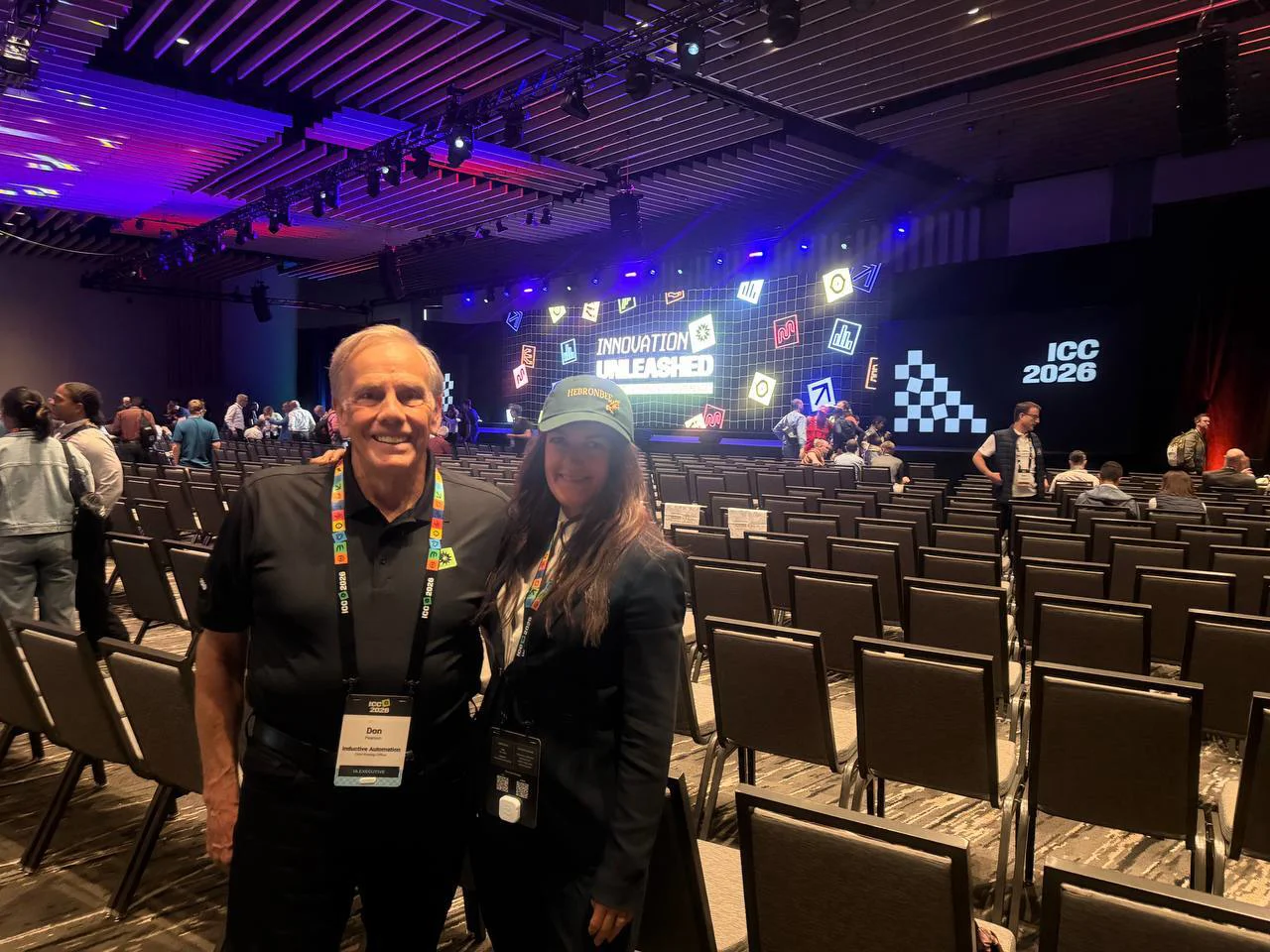
HebronSoft at ICC 2026: Preserving the Knowledge Manufacturing Can’t Afford to Lose
At ICC 2026, HebronSoft explored how manufacturers can preserve critical knowledge as experienced industrial automation professionals retire and AI transforms the industry.
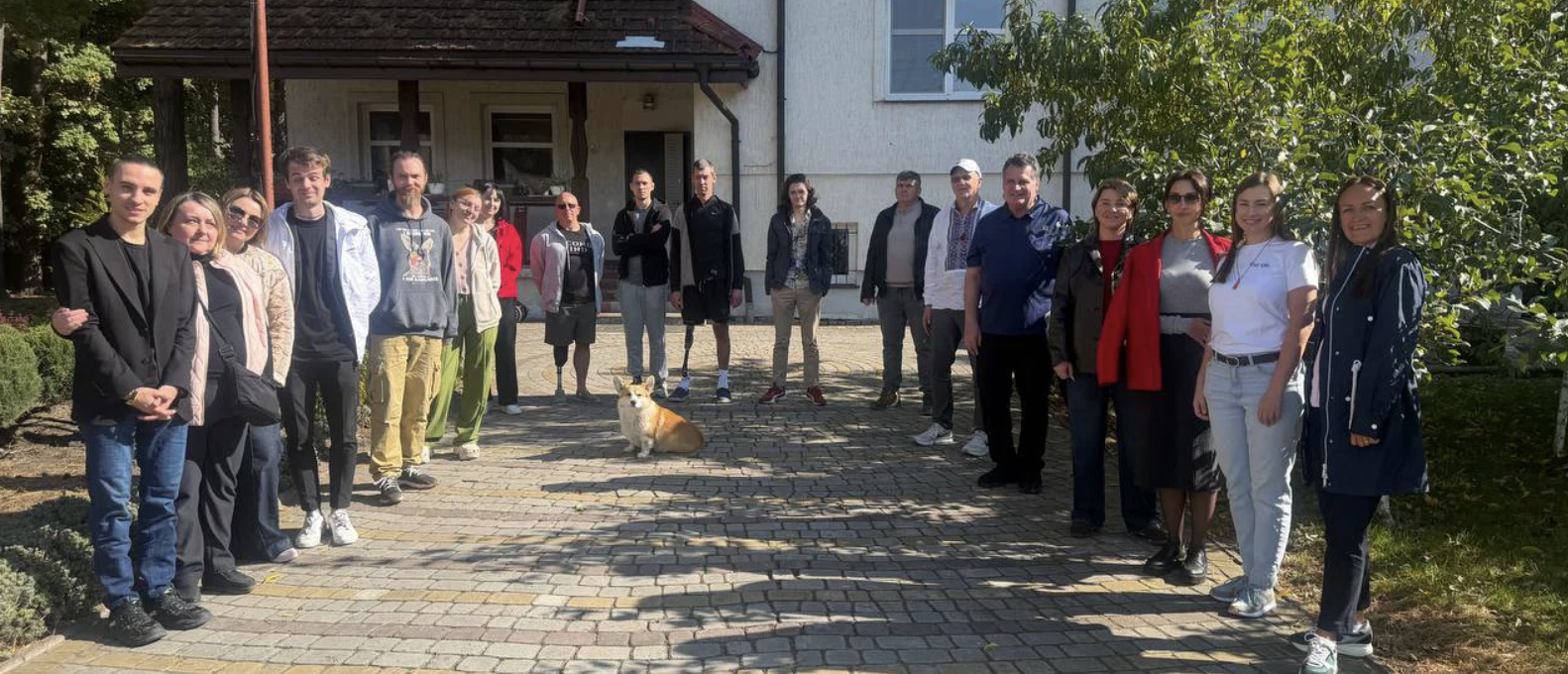
HebronSoft Partners with One of Ukraine’s Largest Veteran Rehabilitation Centers
HebronSoft partners with one of Ukraine’s largest rehabilitation centers to connect Re-Band technology, veteran rehabilitation, and free tech education through Hebron IT Academy.
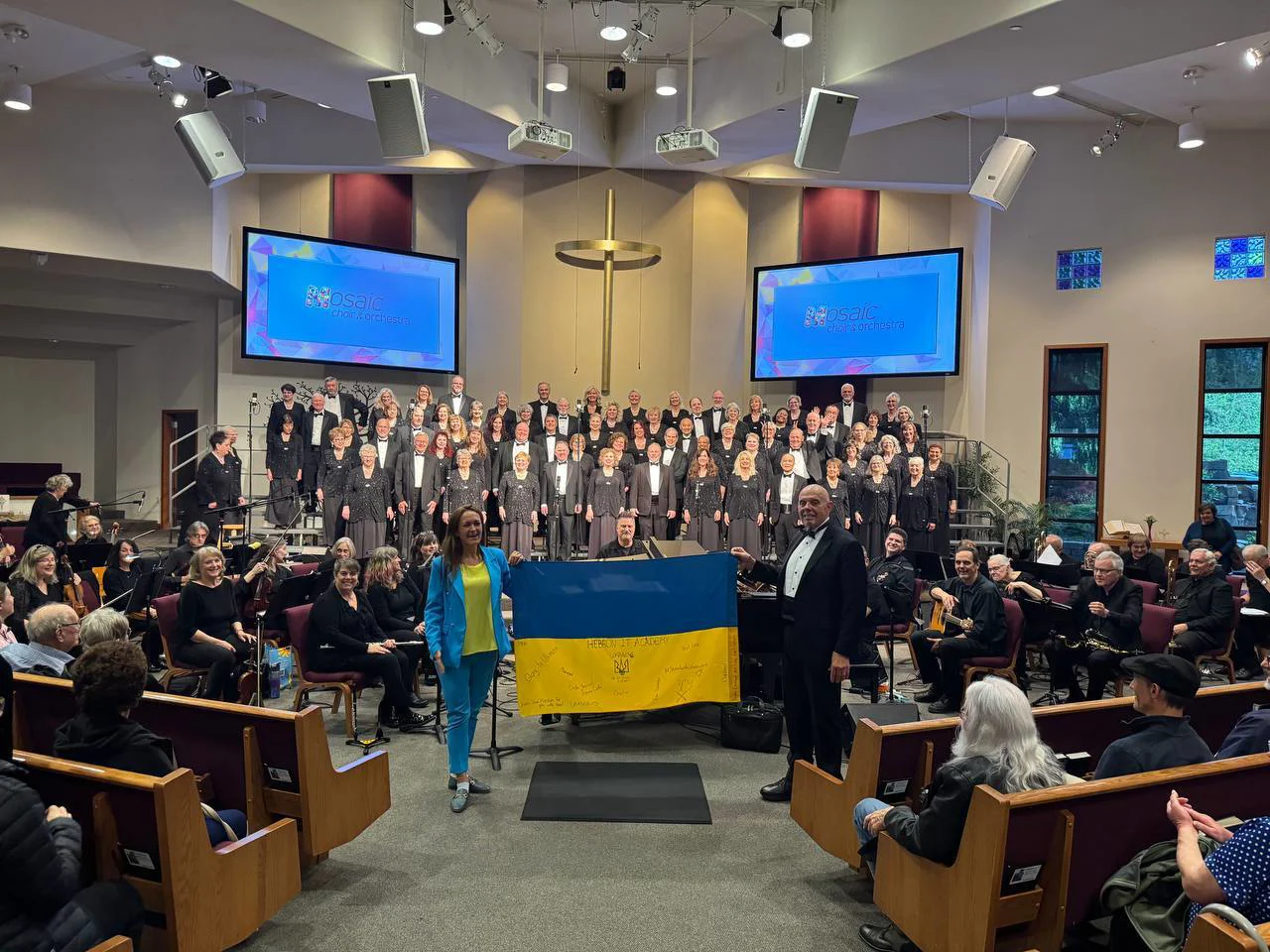
Mosaic Breaks Its Own 20-Year Rule for Hebron IT Academy
For the third year in a row, the 150-member Washington ensemble made an exception to a two-decade tradition to support Hebron IT Academy and its work in Ukraine.
 AI Assistant